Welcome to HRA Latest with news and updates for those working or involved in health and social care research.
This month's edition comes hot on the heels of an event we held yesterday in which people from across the research system came together to share their valuable insights to help inform and influence our work. Read more about what we discussed.
You can also read the findings of our pilot to help researchers and sponsors consider how to build inclusion and diversity into their study planning, and how you can take part in this work.
We'd like your input to help us develop new resources which can support people to decide whether to take part in research, and we're inviting people to apply to join our Confidentiality Advisory Group to help us support vital research while protecting patient confidentiality.
You can also read my response to the Association of the British Pharmaceutical Industry's latest annual clinical trials report, hear about a new alliance to support an emerging area of research, and learn more about our updated guidance to support researchers when submitting generic recruitment and promotional materials for review.
For regular updates and the latest news, you can also follow us on LinkedIn.
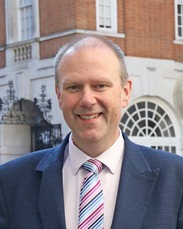
Matt Westmore, Chief Executive
|
Bringing people together to inform our work
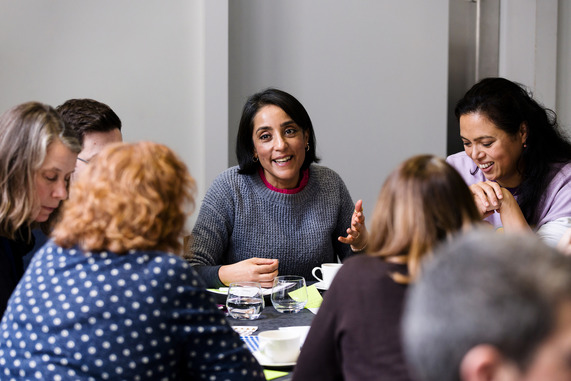
Yesterday (Tuesday 17 November) we held our first 'Inform and Influence the HRA’s work’ event in Westminster, which brought together people from across the research system to engage with and inform key areas of our work.
The event is part of our commitment to ensure that an increasing diversity of perspectives inform our work, and supports our ambitions for people to understand, value, and trust us, and the way that we work.
We are taking all of the insights shared yesterday to inform our work going forward. We plan to make this an annual event, forming one of a suite of ways that the HRA seeks to ensure we hear from a broad range of people.
Supporting research inclusion
We’ve published findings from our pilot on using guidance to create an Inclusion and diversity plan.
Developed jointly with the Medicines and Healthcare products Regulatory Agency, they show that the researchers and sponsors who participated found value in developing the plan at the point of study design.
Starting next year, researchers and sponsors will be able to volunteer to submit a plan alongside an application for review to one of our participating Research Ethics Committees.
Share your thoughts to help us develop new resources
We're developing clear, accessible resources so people know how they should be treated when taking part in research, as well as the checks, safeguards and protections in place to protect research participants.
As part of this work, we've launched 2 surveys:
- for members of the public and anyone with an interest in research to share what information would help you feel informed, respected and confident when deciding whether to take part in research
- for research delivery staff to tell us about the information and resources you use, the questions people ask about research, and what helps them make an informed decision
Your views will help shape resources that explain people's rights, responsibilities and experiences when taking part in health and social care research.
Shaping the future of emerging research
We are part of a new UK stakeholder alliance on neural organoid research, launched by Nuffield Council on Bioethics last month.
The alliance brings together organisations from across research, regulation, funding and tissue banking to explore ethical and governance challenges in this evolving field.
Our contribution will focus on transparency, consent and ensuring people understand how their tissue and data may be used in research.
Study set-up praised as a clear strength for the UK
On 5 November the Association of the British Pharmaceutical Industry published its 8th annual clinical trials report.
The report said that regulatory approval is now recognised as a clear strength for the UK, with study set-up times continuing to improve.
However, faster set-up has not yet translated into more people taking part in commercial clinical trials. Recruitment to these trials has fallen for a 5th consecutive year, despite a wider increase in participation across all types of trials.
Help us make sure confidential patient information is used responsibly
We have an exciting opportunity for members of the public to join our Confidentiality Advisory Group to provide advice on the use of confidential patient information for research and non-research purposes.
We're looking for people with a range of skills to help support valuable research while protecting patient confidentiality.
We're especially looking for people with experience in healthcare, information governance and technical skills, such as artificial intelligence or handling large data sets. We also want people who don't have any healthcare or research experience to apply, who can bring their unique perspectives to the group.
It’s an excellent way to develop your skills and broaden your knowledge, while making a real difference to the lives of patients.
The closing date for applications is 22 December 2026.
Preparing generic recruitment materials for review
We've updated our guidance to support researchers when producing generic materials, like posters, patient cards and GP letters, to recruit potential trial participants.
These materials should be reviewed by our Generic Document Review Committee to ensure they follow best practice and are clear, non-coercive and ethical.
The updated guidance sets out the essential requirements for all submissions, what to include and advice on writing materials.
New University of Bristol and HRA AI study
A new study led by the University of Bristol and co-authored by the HRA on using Artificial Intelligence (AI) for routine research approval checks has been published in the Nature Machine Intelligence research journal today.
The study assessed 3 Large Language Models, Claude 3.5 Sonnet, ChatGPT and Microsoft Copilot on their ability to evaluate research participant information materials against the HRA's quality standards. These checks take place before a study reaches a Research Ethics Committee or HRA staff for approval.
The study found that Claude answered 87.9% of checks fully correctly, compared with 66.5% for ChatGPT and 62.8% for Copilot.
The study is part of wider work the HRA is doing to establish an evidence base on how AI could potentially be used responsibly to drive improvements.

Below are some updates you may have missed about health and social care research in the UK:
|